Overview of the 8-Week Puppy Schedule PDF
The 8‑week puppy schedule PDF offers a concise, step‑by‑step guide for new owners, covering daily routines, feeding, training milestones, and health checklists․ It’s designed to help puppies transition smoothly into home life, ensuring consistent care and rapid learning․ Perfectly aligned with veterinary advice․!
Daily Activity Framework
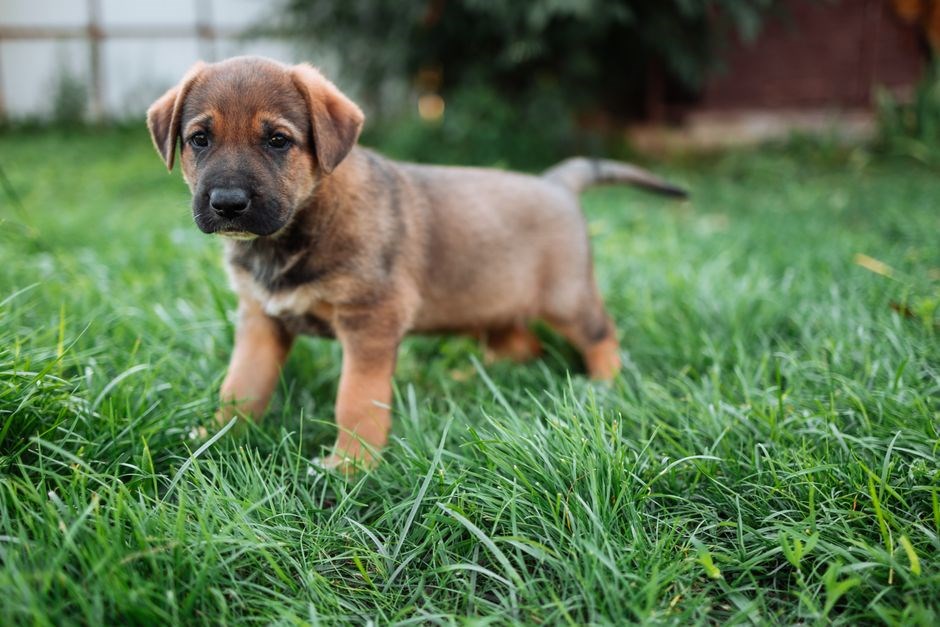
Daily structure balances play, training, and rest․ Start with a short walk, followed by a 10‑minute obedience drill․ Mid‑day, offer a puzzle treat and a calm cuddle․ Evening includes a 15‑minute walk and gentle grooming, and a final quiet play session before bedtime․ Enjoy a calm cuddle․ and a gentle belly rub․!
2․1 Morning Routine
Begin each day with a brisk 10‑minute walk around the block, allowing the puppy to explore new scents, practice leash manners, and expend excess energy․ After the walk, return to the home where a measured breakfast—usually one‑third of the daily recommended portion—is served; this helps regulate digestion and establishes a predictable feeding schedule․ While the puppy eats, observe for any signs of discomfort or allergies, noting any changes for future reference․ Once the meal is finished, transition to a short obedience drill: a 5‑minute “sit” and “stay” session, rewarding with a high‑value treat and enthusiastic praise to reinforce positive behavior․ Following the drill, engage the puppy in a 7‑minute interactive play session using a durable chew toy or a gentle tug‑of‑war; this satisfies natural chewing instincts and strengthens the bond between owner and pet․ After play, provide a calm 3‑minute cuddle period in a quiet corner, allowing the puppy to relax and absorb the day’s experiences․ Finally, give a brief 2‑minute “go” command to prepare the pup for the next activity, ensuring a smooth transition into the rest of the day’s routine․ This structured morning routine balances physical activity, mental stimulation, and affection, laying a solid foundation for healthy development and a well‑adjusted companion․ In addition, a quick hydration check—ensuring fresh water is available—helps maintain energy levels, while a brief 4‑minute “look” exercise encourages eye contact and focus․ By consistently following this sequence, owners can foster reliable habits, reduce anxiety, and promote a positive learning environment that supports the puppy’s growth into a confident, well‑behaved adult․ During the walk, keep the leash short and use a soft voice to guide the puppy, rewarding calm behavior․ After the cuddle, allow a quick 2‑minute bathroom break outside to reinforce house‑breaking cues․ End the morning with a gentle 3‑minute “quiet” command, teaching the pup to settle before the next activity․ This comprehensive approach ensures the puppy’s physical, cognitive, and emotional needs are met, setting the tone for a harmonious daily schedule․ Owners should record observations in a journal to track progress and adjust the routine as needed․ Additionally, incorporating a short 5‑minute scent‑training exercise can further enhance the puppy’s olfactory skills and build confidence!!
2․2 Midday Breaks
Midday breaks are essential for a growing puppy’s energy regulation and mental stimulation․ Schedule a 15‑minute pause around noon, during which the puppy can rest in a quiet, shaded area of the home or outside on a soft mat․ Begin the break with a brief 5‑minute “stay” drill, reinforcing impulse control while the puppy settles․ After the drill, offer a small, low‑calorie treat to reward calm behavior․ Next, provide a 5‑minute interactive puzzle toy session; this engages the puppy’s problem‑solving skills and offers a healthy outlet for chewing․ During the puzzle play, keep the leash loose and use a gentle voice to encourage focus, rewarding successful attempts with praise and a lick․ Following the puzzle, allow a 3‑minute bathroom break outside, reinforcing house‑breaking cues and providing a brief change of scenery․ Return to the home and give the puppy a 4‑minute “look” command to re‑establish eye contact and attentiveness before resuming the day’s activities․ Throughout the break, monitor the puppy’s hydration, offering fresh water as needed․ If the puppy shows signs of overstimulation, extend the rest period by an additional 5 minutes, ensuring the pup does not become overly tired before the evening routine․ Record observations in a daily log to track progress and adjust the break length or activities accordingly․ By consistently incorporating these structured midday pauses, owners can maintain the puppy’s physical health, prevent behavioral issues, and promote a balanced, calm temperament that supports overall development․ This routine also helps the puppy learn to self‑regulate, a critical skill for future training success and a harmonious household dynamic․ Additionally, if the puppy is in a warm environment, consider a brief 5‑minute cool‑down period by placing a damp towel near the resting spot, encouraging the pup to lie down and relax․ This simple cooling technique can prevent overheating and keep the puppy comfortable during the midday lull․ Owners should also use this time to review the puppy’s progress on basic commands, asking the pup to “sit” or “down” on cue, and rewarding compliance with a gentle pet and a treat․ This reinforces learning while keeping the break engaging․ Finally, end the break with a quick 2‑minute “quiet” cue, teaching the puppy to settle before the next activity․ Consistent midday breaks of this nature foster a predictable schedule, reduce anxiety, and promote healthy growth in the first eight weeks of life․
2․3 Evening Wind-Down
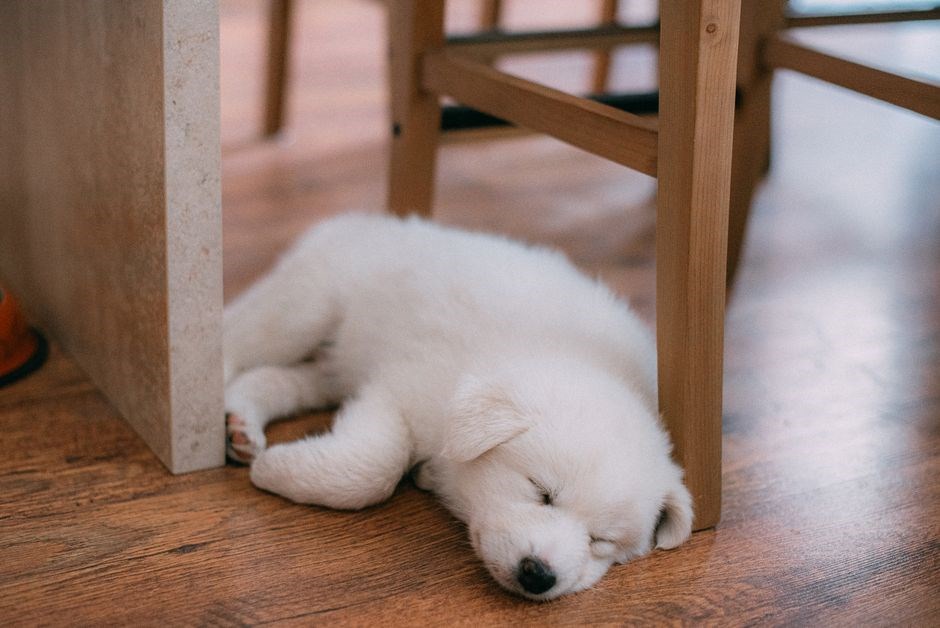
After a day of play, training, and exploration, the evening wind‑down is crucial for a puppy’s transition to restful sleep․ Begin by lowering the lights to a soft, warm glow; this signals the body’s natural melatonin surge․ Offer a short, 5‑minute “sit” or “down” drill to reinforce calm behavior, rewarding with a gentle pat and a low‑calorie treat․ Next, provide a 10‑minute free‑play session with a chew toy that encourages safe chewing and reduces stress․ Keep the environment quiet, avoiding loud music or television․ During this period, give the puppy a brief bathroom break outside, reinforcing house‑breaking cues and preventing accidents during the night․ Return indoors and give a 5‑minute “quiet” cue, encouraging the puppy to lie down in its crate or designated sleeping area․ Use a soft voice and a calming scent, such as lavender‑infused spray, to promote relaxation․ After the puppy settles, offer a final 2‑minute “look” command to re‑establish eye contact and ensure the pup feels secure․ This brief interaction helps the puppy associate the end of the day with positive reinforcement․ Finally, dim the lights completely and close the door to the puppy’s sleeping area․ A consistent wind‑down routine of 30‑35 minutes helps regulate the puppy’s circadian rhythm, reduces nighttime anxiety, and supports healthy sleep patterns․ Record any changes in behavior or sleep quality in a daily log to adjust the routine as needed․ Consistency, gentle cues, and a calm environment are the pillars of a successful evening wind‑down, fostering a peaceful night for both puppy and owner․
In addition, incorporate a brief “tug‑of‑war” with a sturdy rope toy for 3 minutes, allowing the puppy to expend residual energy in a controlled manner․ This activity should be followed by a 2‑minute “rest” cue, where the puppy lies on its belly, eyes closed, and receives a soft belly rub․ Such tactile stimulation has been shown to lower cortisol levels and promote a state of calm․ Finally, ensure the puppy’s sleeping area is free of drafts and has a comfortable bedding material․ A small, weighted blanket can provide a sense of security, mimicking maternal warmth․ By ending the day with a predictable sequence of gentle commands, tactile comfort, and a quiet environment, the puppy learns to associate the evening with safety and rest, which is essential for healthy development and a harmonious relationship between pet and owner․

Feeding and Nutrition Guidelines
Use a high‑protein puppy formula, feeding 3–4 small meals daily․ Rotate kibble and wet food for balanced nutrients․ Add fresh water at each meal and monitor weight․ Consult a vet for specific caloric needs and adjust portions as the pup grows․ Ensure calcium bone growth;

3․1 Meal Frequency and Portions
At the eight‑week milestone, a puppy’s digestive system is still maturing, so meal timing and portion control are critical for healthy growth and preventing gastrointestinal upset․ A balanced schedule typically involves feeding three to four small meals per day, spaced evenly to maintain steady energy levels and support optimal nutrient absorption․ The first meal of the day should be served within the first hour after waking, followed by a second meal roughly 4–5 hours later, a third meal in the late afternoon, and a final meal before bedtime․ This routine mimics the natural feeding pattern of a nursing pup, ensuring that the stomach is never empty for extended periods, which can trigger excessive hunger and potential over‑eating or begging behaviors․
Portion sizes should be calculated based on the puppy’s current weight, breed, and activity level, following the manufacturer’s feeding guidelines or a veterinarian’s recommendation․ A general rule of thumb for a healthy, moderately active puppy is to provide about 2–3% of its body weight in food per day, divided among the meals․ For example, a 10‑pound puppy would consume roughly 0․2–0․3 pounds (about 90–135 grams) of food daily, split into three portions of 30–45 grams each․ Adjustments may be necessary if the puppy is gaining weight too rapidly or losing muscle mass; in such cases, a vet‑approved diet plan should be consulted․
In addition to solid kibble, a small amount of wet food or a low‑calorie broth can be added to increase palatability and hydration, especially during hot weather or after exercise․ However, avoid over‑feeding treats or table scraps, as these can displace essential nutrients and contribute to obesity․ Consistency in meal times and portion sizes also helps establish a predictable routine, which is essential for house‑breaking success and overall behavioral stability․ Monitoring the puppy’s weight weekly and adjusting portions accordingly ensures that growth remains on track, preventing both under‑nutrition and over‑nutrition, and supports a strong foundation for a healthy, active adult dog․
3․2 Recommended Food Types
Choosing the right food for an eight‑week‑old puppy is crucial for supporting rapid growth, developing strong bones, and establishing a healthy gut microbiome․ Commercial puppy formulas are specifically engineered to provide higher protein, fat, and essential micronutrients than adult diets․ Look for products that list a high‑quality animal protein (such as chicken, turkey, or fish) as the first ingredient, followed by wholesome grains or legumes․ A balanced ratio of 22–28% protein and 10–12% fat is ideal for most breeds, while small‑breed lines may benefit from slightly higher fat content to meet their increased energy demands․
Wet food can be a useful supplement, especially during hot weather or when a puppy shows reluctance to eat dry kibble․ It offers extra moisture, which helps maintain hydration, and can be mixed with dry food to increase palatability․ However, wet food should not replace dry kibble entirely, as kibble promotes dental health by encouraging chewing and reducing plaque buildup․

For puppies with food sensitivities or allergies, hypoallergenic or limited‑ingredient diets may be necessary․ These formulas use novel proteins (such as duck or venison) and avoid common allergens like corn, wheat, and soy․ Always transition gradually over 7–10 days to prevent digestive upset․ Consult a veterinarian before making any significant dietary changes, especially if the puppy has a medical condition or is on medication․
Finally, avoid feeding table scraps, chocolate, grapes, onions, or any toxic foods․ Stick to the recommended portion sizes and feeding schedule outlined in the 8‑week plan, and monitor the puppy’s weight and coat condition weekly․ Adjust portions as needed to maintain a healthy body condition score, ensuring the puppy grows into a strong, energetic adult․
In addition, consider supplementing with a high‑quality multivitamin or omega‑3 fatty acids if recommended by your vet․ Omega‑3s support joint health and a shiny coat, while probiotics can aid digestion․ Always use products formulated for puppies, as adult supplements may contain inappropriate nutrient levels․ Store food in a cool, dry place and refrigerate opened containers to preserve freshness․

Training and Behavior Milestones
By week 8, puppies should recognize basic commands, exhibit controlled housebreaking, and show calm excitement․ Consistent short sessions, positive reinforcement, and gentle redirection build trust, prevent aggression, and lay groundwork for advanced training․
Reward consistency, keep sessions brief, expose gradually to new stimuli nowsoon․
4․1 Basic Commands
Within the first eight weeks, a puppy should grasp foundational cues such as “sit,” “stay,” “come,” and “down․” Start each session with a clear, upbeat tone, using a consistent hand gesture and a high‑value treat․ Keep training sessions short—five to seven minutes—to match the puppy’s limited attention span․
For “sit,” gently lift the puppy’s tail while saying the cue; reward immediately․ “Stay” requires a gradual increase in distance and duration, reinforcing the pause with a treat and verbal praise․ “Come” is best taught in a safe, enclosed area, pairing the cue with enthusiastic praise and a favorite toy․ “Down” follows a similar pattern: guide the puppy from a sit into a lying position, rewarding each step․
Use positive reinforcement consistently; avoid punishment․ If the puppy hesitates, reset and try again․ By the end of week eight, the puppy should reliably respond to each command in a quiet setting, laying the groundwork for advanced obedience and socialization․
Remember to celebrate small victories; a simple “good job” and a gentle pet reinforce learning․ Consistency, patience, and a calm environment are key․ By week eight, the puppy’s confidence grows, making training a joyful routine for both owner and dog․

Use a timer to keep sessions brief, and always end on a positive note․ If distractions arise, pause and reset․ Over time, the puppy will internalize commands, enabling smoother walks, better focus during play, and a stronger bond with you․
Consistency builds trust; reward often correct gently and keep sessions light
Enjoy the journey!
4․2 Housebreaking Progress
By the end of week eight, a puppy should have a clear understanding of indoor versus outdoor elimination zones․ The key to successful housebreaking lies in a consistent schedule, immediate feedback, and positive reinforcement․ Begin each day with a brief walk or bathroom break, then return to a designated crate or playpen for a short rest․ When the puppy signals—sniffing, circling, or whining—take them outside promptly․ Use a specific cue such as “go potty” and reward with a treat and praise once the act is completed․ If the puppy is interrupted, calmly redirect them to the spot and repeat the cue․ Consistency is paramount; avoid letting the puppy roam freely during the first few weeks, as this can create confusion․ Keep a log of times and locations to identify patterns and adjust the schedule accordingly․ As the puppy’s bladder control improves, gradually extend the intervals between bathroom breaks, but never let the puppy exceed four to five hours․ By week eight, most puppies can hold their bladder for about three hours, and with regular outdoor exposure, they will begin to associate the scent and routine with the appropriate location․ Celebrate each successful elimination with a gentle pat and verbal praise, reinforcing the behavior․ If accidents occur, clean the area thoroughly with an enzymatic cleaner to eliminate lingering odors that may attract the puppy back to the same spot․ Remember that patience and consistency are the cornerstones of effective housebreaking; with a structured routine and positive reinforcement, a puppy can transition smoothly into a well‑behaved adult dog․ Additionally, monitor the puppy’s behavior for signs of discomfort or urgency, such as pacing or sniffing near the door․ A quick trip to the yard can prevent accidents and reinforce the desired pattern․ Over time, you may introduce a verbal cue like “outside” to replace the physical cue, helping the puppy generalize the command across environments․ Finally, avoid over‑training; if the puppy seems stressed, give a short break before attempting another elimination session․ Consistent, calm guidance will cement the habit and reduce the likelihood of regressions after the initial eight‑week period․ Parents or caregivers should also ensure that the puppy’s litter area is kept clean and dry, as moisture can attract the dog back to the same spot․ Using a non‑slip mat in the designated area can help the puppy feel secure and reduce the chance of accidental slips․ By reinforcing the positive association with the outdoor space, the puppy learns to seek the appropriate location instinctively, making the transition from puppy to adult smoother and more predictable․ Remember to celebrate every successful potty outside with a small treat, a few minutes of play, and a soft voice․ This positive reinforcement loop strengthens the puppy’s learning curve and builds confidence․ With patience, consistency, and a structured routine, the puppy will master housebreaking by the end of the eight‑week schedule, setting a solid foundation for future training and a harmonious home life․ This disciplined approach ensures a clean, confident pup․
Health and Veterinary Checkpoints
Week 1: Initial vet visit for microchip, vaccination schedule, and parasite screening․ Discuss diet, exercise, and behavior expectations․ Week 2: First rabies booster, deworming, and a review of the puppy’s weight and growth curve․ Monitor for any adverse reactions․ Week 3: Dental check, eye and ear exam, and a second deworming if needed․ Confirm that the puppy is eating well and drinking normally․ Week 4: Booster shots for distemper, parvovirus, and adenovirus․ Discuss spay/neuter timing and discuss a preventive health plan․ Week 5: Follow‑up on weight gain, discuss any signs of allergies or skin issues, and review the puppy’s socialization progress․ Week 6: Check for any signs of joint or bone development problems․ Discuss a balanced diet and supplement options․ Week 7: Re‑evaluate overall health, confirm that all vaccinations are up to date, and discuss any behavioral concerns․ Week 8: Final health assessment to ensure the puppy is healthy, happy, and ready for the next phase of training․ Keep a detailed log of all visits, medications, and observations for future reference․
Routine veterinary visits should also include a thorough physical exam, dental check, and an assessment of the puppy’s growth rate․ Discuss any concerns about joint health, especially in breeds prone to hip dysplasia․ Vaccination records should be kept up to date, and owners should be advised on the importance of booster shots․ Finally, establish a schedule for future wellness checks to monitor the puppy’s development and address any emerging health issues promptly․

Printable PDF Templates and Resources
Our collection of printable PDF templates is designed to streamline every aspect of your puppy’s first 8 weeks․ The daily activity log captures morning walks, training sessions, and bedtime routines, allowing you to track consistency and identify patterns that influence behavior․ The feeding chart records meal times, portion sizes, and weight changes, ensuring nutrition stays on target․ A training progress sheet documents the acquisition of basic commands, marking milestones with checkboxes for “sit,” “stay,” and “come․” A health and vet visit tracker logs appointments, vaccination dates, and medication schedules, keeping all critical information in one easily accessible place․ Finally, a socialization checklist encourages exposure to new people, sounds, and environments, promoting confidence and reducing anxiety․ Each template is fully editable, printable, and formatted for A4 paper, making it simple to print, fill, and fold into a binder or digital PDF for on‑the‑go reference․ Download now and keep your puppy’s journey organized, consistent, and on track․
Also included are a weekly planner, potty training log, and milestone tracker highlighting key markers like first “sit” or “leave it․” A printable calendar with vet appointment reminders keeps preventive care on track․ Templates feature clear headings, ample white space, and checkboxes for easy use․ The PDF prints in color or black‑and‑white and works on tablets, laptops, and smartphones․
All resources are downloadable as a single PDF bundle, making it easy to print or store digitally for quick reference․


0 Comments