Marcy exercise bikes, like the ME‑709 recumbent, combine ergonomic design with adjustable resistance. The manual guides setup, safety, and workouts, ensuring a smooth, effective training experience for beginners and seasoned users alike. It offers resistance, tracks calories, heart rate, and distance fast.

Safety Precautions
Before using your Marcy exercise bike, read all safety warnings and follow these precautions to protect yourself and maintain the equipment.
- Place the bike on a flat, stable surface. Avoid uneven floors or carpeted areas that could cause tipping.
- Ensure the seat and handlebars are adjusted to fit your body size. Incorrect positioning can lead to back or wrist strain.
- Wear appropriate footwear. Closed‑toe, supportive shoes reduce the risk of slipping or injury.
- Do not exceed the maximum user weight rating specified in the manual. Overloading can damage the frame or cause collapse.
- Keep the area around the bike clear of obstacles, cords, or loose items that could be tripped over.
- Never leave the bike unattended while the motor is running, especially if you are using the electronic resistance feature.
- Check the bike’s electrical connections before each use. Loose plugs or frayed cords can pose a shock hazard.
- Do not attempt to modify or repair the bike yourself. Contact authorized service personnel for any mechanical issues.
- Use the bike only as intended. Avoid jumping on or off the seat, and do not sit on the bike when it is in motion.
- Follow the manufacturer’s recommended maintenance schedule to keep all moving parts lubricated and functioning safely.
These precautions help ensure a safe workout and protect your investment.
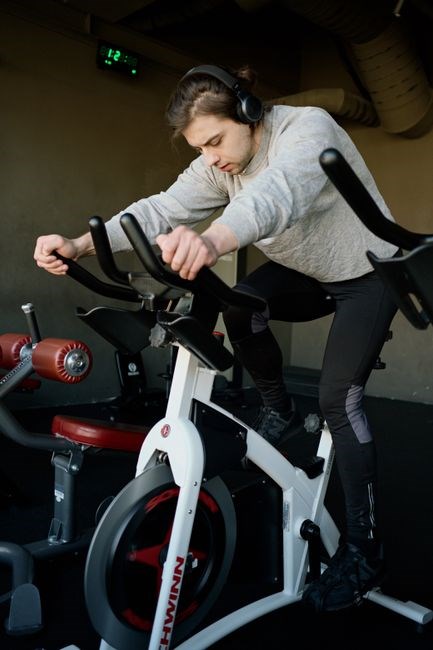
Components and Assembly
The Marcy bike features a sturdy aluminum frame, adjustable seat, ergonomic handlebars, digital display, and magnetic resistance system. Assembly requires tightening bolts, aligning the seat rail, and connecting the power cord. Follow the step‑by‑step guide for safe setup. All bolts must be tightened before use.
Unboxing Checklist
Before assembling your Marcy exercise bike, verify that every component is present and undamaged. Use the list below to cross‑check items and accessories. Missing parts should be reported to the retailer immediately.
- Frame assembly (top, bottom, side rails)
- Seat post and seat
- Handlebar assembly and grips
- Pedals (left and right)
- Resistance plate and magnetic system
- Digital console with display, battery pack, and charging cable
- Power cord and plug
- Instruction manual and warranty card
- Allen keys (size 8mm, 10mm, 12mm)
- Torque wrench (optional)
- Safety strap and lock
- Cleaning cloth and lubricant spray
- Shipping box and packing material for return shipping
- Return shipping label
When unpacking, keep the original cardboard box intact for future returns or warranty claims. Label each component with its corresponding part number as indicated on the box. Store the Allen keys and torque wrench in a dedicated toolbox to avoid loss. If you notice any missing screws or hardware, do not attempt to force the frame together; instead, reach out to Marcy support for a replacement kit. The safety strap should be installed on the frame before first use to secure the bike during intense workouts. The digital console should be powered on after connecting the power cord to verify that the display registers correctly. Once all parts are verified, you may proceed to the assembly steps. Ensure all bolts are tightened to the manufacturer’s torque specifications to maintain structural integrity.
Assembly Steps

Begin by laying out all frame components on a flat surface. Attach the top rail to the side rails using the supplied bolts and lock nuts; tighten each with a torque wrench to 12 Nm. Slide the seat post into the frame’s seat tube, then secure it with the locking nut. Install the seat, adjusting height to fit your leg length. Next, attach the handlebar assembly to the front rail, aligning the pivot points. Tighten the handlebar bolts to 10 Nm. Mount the pedals onto the crank arms, ensuring the left pedal is counter‑clockwise and the right pedal clockwise; torque each to 15 Nm. Fit the resistance plate onto the magnetic system, aligning the sensor with the display. Secure the plate with the provided screws. Connect the digital console to the frame’s power port, then plug the power cord into a grounded outlet. Verify the console’s display shows the correct model number and firmware version. Finally, perform a safety check: tighten all bolts again, test the resistance by pedaling lightly, and ensure the safety strap is fastened. The bike is now ready for use.
After securing all bolts, perform a quick test pedal to ensure smooth rotation. If resistance feels uneven, adjust the magnetic plate alignment by loosening the mounting screws, repositioning the plate, and retightening. Check the seat rail for wobble; tighten the seat lock nut until the seat remains stationary. Verify the console’s calibration by selecting the “Auto‑Calibrate” function; the display should reset to zero. Finally, adjust the safety strap to fit snugly across the bike’s frame, ensuring it can be released quickly in case of emergency. Remember to keep the bike in a dry area, avoid placing it near direct sunlight to prevent plastic warping and battery degradation time. Store the Allen keys in a labeled box for future maintenance daily. today. OK!
Seat and Handlebar Adjustment
Adjusting the sat handlebar correctly is essential for a comfortable workout. Use the seat height screw on the seat post to raise or lower the seat. Turn the screw clockwise to raise the seat; counter‑clockwise lowers it. Once the height is set, lock the seat by tightening the seat lock nut until the seat does not move laterally. Next, adjust the seat tilt. Most Marcy models feature a tilt lever on the seat post; move the lever to a neutral position (usually marked “0°”) to keep the seat level. For a more reclined position, gently tilt the seat forward; for a more upright stance, tilt it back. After the seat is set, focus on the handlebar. Slide the handlebar forward or backward along the top rail to achieve a comfortable reach. The handlebar should be at a height that allows your elbows to rest slightly above the horizontal plane. Use the handlebar height adjustment screw to fine‑tune the vertical position; Tighten all adjustment bolts with a torque wrench set to 10 Nm to ensure stability. Finally, test the setup by pedaling lightly; if the seat feels unstable or the handlebar feels too high, readjust accordingly. Common issues include loose bolts, misaligned magnetic plates, and worn seat cushions. Tightening bolts, realigning plates, and replacing cushions can resolve most problems. Alignment reduces strain on the knees, back, and shoulders, promoting effective training session. Remember to adjust the seat and handlebar after each session to maintain ergonomics and prevent strain daily .

Operating the Bike
Power on the console, select a preset or manual mode, and adjust resistance with the dial or app. Monitor heart rate, calories, and distance on the LCD. Start with a warm‑up, then increase intensity gradually, using intervals or steady‑state sessions for optimal cardio and cool!!!
Resistance Control Methods
Marcy’s recumbent models, such as the ME‑709, offer dual resistance systems: magnetic and manual. The magnetic system uses a built‑in electromagnet that adjusts torque via a dial or digital input, providing smooth, silent increments from 1 to 10. For a more tactile feel, the manual lever engages a friction pad, allowing riders to feel the resistance change as they pedal. Users can switch between modes by toggling the “Mode” button on the console. In “Auto” mode, the bike’s microcontroller reads heart‑rate data and adjusts resistance to keep you within a target zone, ideal for interval training. “Manual” mode lets you set a fixed level and maintain it throughout a session. The console also features preset programs—“Cardio”, “Strength”, “Recovery”—each with predefined resistance curves. Advanced users can create custom programs via the USB port, uploading CSV files that define resistance steps over time. For those who prefer a smartphone interface, the Marcy app syncs via Bluetooth, displaying real‑time resistance on the phone and allowing remote adjustment. When using the app, tap the “Res” icon to slide resistance up or down, or use the “Auto‑Adjust” toggle to let the bike manage resistance based on your heart‑rate or power output. Remember to calibrate the resistance after each power‑up by cycling through all levels to ensure consistent performance. Proper use of these control methods maximizes workout effectiveness while protecting the bike’s mechanical components. Use these controls to personalize workouts and track progress!
Workout Metrics and Programs
Marcy’s recumbent bikes display a suite of metrics on their console, allowing users to monitor heart‑rate, calories, distance, speed, and power output. consistently for maximum effort every session now!!!!! The heart‑rate sensor, positioned on the left side of the console, reads data from the pulse sensor and updates the display every second. Calorie estimates are calculated from resistance level, cadence, and body weight, giving a view of energy expenditure. Distance and speed are derived from the pedal cadence sensor, providing a picture of workout intensity. Power output, measured in watts, is calculated using an algorithm that factors in resistance level and cadence, giving cyclists a precise measure of effort. The console offers preset training programs: “Cardio”, “Strength”, and “Recovery”. “Cardio” ramps resistance over a 30‑minute session, targeting 60–70% of maximum heart‑rate. “Strength” focuses on intervals with short rest periods, ideal for building muscle endurance. “Recovery” keeps resistance low and cadence steady for active rest days. Users can also create programs by selecting a start and end resistance, setting interval durations, and choosing a target heart‑rate zone. These programs are stored in the bike’s memory and can be recalled with a button press. For tracking, the bike’s USB port allows data export to a computer, where the Marcy software can generate detailed workout reports and graphs. This comprehensive metrics suite and program selection make the bike suitable for both casual fitness and serious training regimens.

Maintenance and Troubleshooting
Regular cleaning, lubricating the chain, and checking belt tension keep the bike running smoothly. If resistance feels uneven, tighten the adjustment bolts. For elect glitches, reset the console by unplugging for 30 seconds.ContactMarcy support for firmware updates.
Cleaning and Lubrication
Proper maintenance of a Marcy exercise bike ensures longevity and smooth operation. Begin by unplugging the unit and placing a towel under the frame to catch any debris. Use a soft, lint‑free cloth dampened with mild soap and water to wipe the seat, handlebars, and console. Avoid harsh chemicals that can damage the finish.
For the drivetrain, locate the rear chain or belt. If the bike uses a chain, apply a light coat of bike‑specific lubricant to the chain links, then wipe off excess with a clean rag. If a belt system is present, inspect for wear; a worn belt should be replaced according to the manufacturer’s schedule. Do not over‑lubricate, as excess oil attracts dust and can impair resistance.
Check the pedal bearings by turning each pedal manually; smooth rotation indicates proper lubrication. If resistance feels stiff, apply a few drops of grease to the bearing housings and rotate the pedals again. After lubrication, wipe any residue to prevent accumulation.
Finally, inspect the frame for cracks or loose screws. Tighten any loose fasteners with an appropriate wrench. Store the bike in a dry area, away from extreme temperatures, to preserve the paint and mechanical components. Regular cleaning and timely lubrication reduce wear and extend the bike’s service life.
Always keep the seat and handlebars clean with a soft cloth; avoid using abrasive cleaners that may scratch the finish. After each session, let the bike air to prevent buildup, which can lead to issues daily now today time. Dry it.!
Common Issues and Fixes

Marcy bikes are built for durability, yet users sometimes face issues that can halt workouts. Below are the most common problems and quick fixes based on the manufacturer’s guidance.

- Resistance feels uneven or stuck: Clean the resistance area with a dry cloth. For belt models, inspect the belt for kinks; replace if worn. Chain models need a light lubricant and excess wiped off.
- Seat or handlebars shift: Tighten all seat and handlebar screws. Check the seat post for cracks and replace if damaged.
- Display freezes: Power cycle the bike. If still unresponsive, reset the console or consult the manual.
- Pedals squeak: Grease the bearing housing, wipe excess, and reinstall. Ensure the pedal is seated.
- Unusual noises: Look for debris in the resistance wheel or belt. Clean with a soft brush and realign the wheel.

If problems persist, check the warranty card. Marcy offers a 1‑year parts warranty and a 3‑year labor warranty. Contact support via the website or phone number listed in the manual for service. For detailed troubleshooting, refer to the step‑by‑step guide in the user manual or visit Marcy’s online support portal, where you can download firmware updates, view instructional videos, and access a community forum for peer advice. If your bike remains inoperable after following these steps, schedule a service appointment with an authorized technician to ensure proper repairs and prevent further damage now!
Warranty and Support
Marcy’s warranty covers manufacturing defects and component failures for one year from purchase. The bike’s frame and major parts are protected under a three‑year limited warranty against structural failure. To activate the warranty, register your unit on the Marcy website within 30 days of delivery and keep the receipt for future reference.
Support is available by phone at 1‑800‑MARCY‑BIC (1‑800‑627‑2432) Monday to Friday, 8 a.m. to 6 p.m. local time, and by email at support@marcy.com. Responses are typically within 24 hours. The Marcy mobile app offers live chat, a searchable knowledge base, firmware updates, and instructional videos. The app syncs workout data with the cloud for remote coaching.
Authorized service centers are listed on the Marcy website. Bring the original receipt, serial number, and a description of the issue. Technicians will diagnose the problem; if under warranty, parts are replaced at no cost. Non‑warranty issues receive a detailed estimate before work begins. Marcy also offers a 30‑day return policy for new, unopened units if the bike is not functioning as described.
Firmware updates can resolve software glitches and add new workout programs. Log into your account, go to the “Downloads” section, and follow the instructions to upgrade the console. If the update fails, contact support for assistance. All support resources are available in English, Spanish, and French.
For any questions, visit the Marcy FAQ section online or call customer service. If you need a replacement part, the warranty covers it, but shipping charges may apply. Keep all documentation, as it speeds up the claim process. Marcy values customer satisfaction and strives to resolve issues promptly.
When contacting support, provide the serial number, purchase date, and a brief description of the issue. If you are troubleshooting a software problem, try resetting the console by holding the power button for 10 seconds. For mechanical issues, ensure the resistance wheel is clean and the belt is properly tensioned. If the bike still does not operate correctly, schedule a service appointment through the Marcy website. Technicians will inspect the bike, perform necessary repairs, and test the bike before returning it to you. All parts replaced under warranty are guaranteed for the duration of the warranty period. If you experience any inconvenience, Marcy’s customer service team is ready to assist you promptly.

Marcy’s commitment to quality means that most users report minimal issues after proper assembly and maintenance. However, if you encounter any unexpected behavior, refer to the troubleshooting guide in the user manual or contact support. The company’s online resources include video tutorials, FAQs, and a community forum where users share tips and solutions. By staying informed and following the recommended maintenance schedule, you can enjoy a safe and effective workout experience for years to come. Remember to register your bike promptly to ensure full warranty coverage.



0 Comments