Race Car Transmissions: An Overview
Race cars use both manual and automatic gearboxes. Modern series favor paddle‑shifters on clutchless manuals or true automatics (tiptronic). Formula 1 often employs automated up‑and‑down shifts, while drag racing still sees traditional manuals. Choice depends on power, control, and regulations. for team

Manual Transmission in Racing
Manual gearboxes remain common in racing, especially in drag and road series. They allow clutchless or traditional clutch setups, giving drivers direct control over gear changes. Many teams still prefer manual for its lower power loss and precise gearing. in racing!?
Traditional Manual Gearboxes
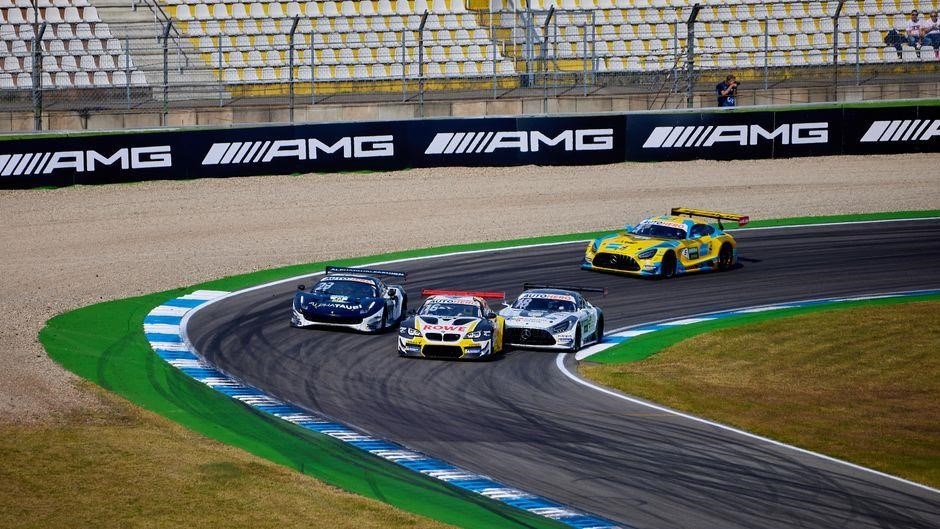
Traditional manual gearboxes remain a staple in many racing disciplines, especially where driver skill and mechanical sympathy are paramount. These systems use a clutch lever or pedal, a gear selector, and a series of gears that can be manually engaged by the driver. The clutch allows disengagement of the engine from the drivetrain, enabling smooth gear changes without damaging the transmission. In touring car, GT, and endurance series, teams still opt for a conventional manual gearbox because it offers a direct mechanical link between driver and drivetrain, providing a tactile feel that many racers value. The gear ratios are fixed and can be carefully selected to match the specific track layout, allowing teams to optimize acceleration, top speed, and fuel efficiency. Traditional manuals also tend to be lighter and simpler than their automated counterparts, which can translate into better weight distribution and lower unsprung mass. Despite the need for precise clutch operation, many racing series continue to use traditional manuals because they provide a level of control and reliability that is hard to match with automated systems. The choice between a traditional manual and an automated or semi‑automatic gearbox often comes down to the specific demands of the series, the preferences of the team, and the regulatory framework governing the competition. For teams that prioritize driver engagement and mechanical simplicity, a traditional manual gearbox remains the preferred choice. Drivers appreciate the immediate feedback and the ability to fine‑tune gear selection for optimal lap times, especially during high‑speed cornering and precision. Boosts performance.
Clutchless Manual (Automated Manual) Systems
Clutchless or automated manual transmissions (AMTs) combine the familiarity of a manual gearbox with the convenience of electronic shift control. These units use a motor‑driven clutch or a torque‑converter‑like mechanism to disengage the engine without a physical clutch lever. The driver operates a paddle or button, and the system executes gear changes with minimal delay. In Formula 1, AMTs allow for rapid, repeatable shifts that reduce mechanical wear and improve lap consistency. Drag racing teams favor AMTs for their ability to deliver precise launch control, eliminating the variability of a human clutch. The electronic control unit monitors engine speed, throttle position, and vehicle dynamics to time shifts optimally. Because there is no clutch pedal, drivers can focus on throttle modulation and braking, improving overall race performance. AMTs also reduce drivetrain weight compared to full automatics, as they omit heavy torque converters. However, the reliance on electronic components introduces potential failure points, and some purists argue that the lack of a manual clutch removes an element of driver skill. Despite these concerns, the trend toward clutchless systems continues as teams seek the best balance between speed, reliability, and driver input. In series where regulations permit, AMTs are often the default choice for their blend of precision and simplicity.
Automatic Transmission in Racing
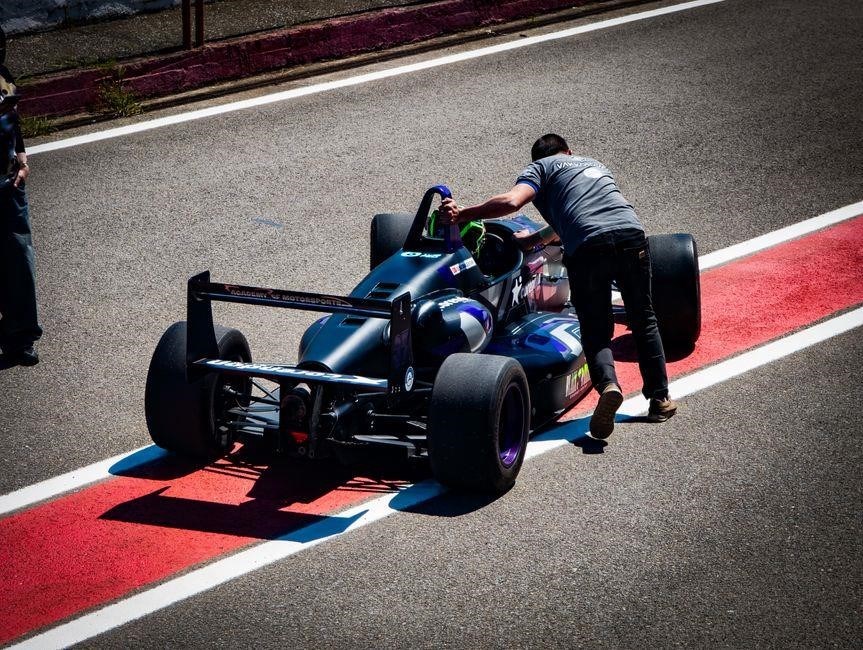
Automatic gearboxes, tiptronic units, dominate modern series. They offer torque converters and paddle shifters, rapid shifts without a clutch. Formula 1 uses automated up‑shifts, while touring cars rely on automatics for reliability and speed. They cut shift time!!
Torque Converter Automatics (Tiptronic)
Tiptronic gearboxes combine the smooth engagement of a torque‑converter clutch with the precision of a manual shift lever or paddle shifters. In racing, they allow drivers to maintain a single‑handed grip while executing rapid gear changes, a critical advantage on tight circuits. The torque converter absorbs launch torque, reducing wheel spin and enabling consistent acceleration from the grid. Because the converter can slip, power loss is minimized compared to a traditional manual clutch, especially under high‑RPM conditions. Teams program shift points into the vehicle’s ECU, ensuring optimal gear selection for varying track sections. The electronic control unit monitors throttle position, engine RPM, and vehicle speed, then actuates the hydraulic system to lock or release the converter at the precise moment. This integration yields a lower shift time—often under 100 milliseconds—compared to a human‑operated clutch. In endurance series, the durability of tiptronic units is proven; they handle thousands of shift cycles without failure. Drivers report a more consistent launch, as the converter’s slip characteristics smooth out torque spikes. However, the added weight of the hydraulic pump and cooler can slightly affect the car’s balance. Despite this, the trade‑off is acceptable for the performance gains. Many modern touring‑car championships mandate tiptronic systems, citing safety and reliability. The system’s ability to lock the converter during a launch also reduces the risk of wheel hop, a common issue in manual setups. In practice, teams fine‑tune the converter’s lockup threshold to match the track’s grip levels, ensuring that the car remains responsive yet stable. Overall, tiptronic transmissions provide a blend of speed, precision, and driver comfort that aligns with the demands of contemporary motorsport. The transition between gears, to lock the converter during launch, makes tiptronic systems a staple in modern racing, where milliseconds every race matter.!!!
Semi-Automatic with Pedal Shifters
In semi‑automatic gearboxes, the driver uses a clutch pedal to disengage the engine while the gearbox shifts automatically via a hydraulic or electro‑hydraulic actuator. This design eliminates the need for a clutch lever, allowing the driver to keep both hands on the wheel and focus on steering and braking. The clutch pedal is usually a “clutch‑free” feel; pressing it briefly disengages the engine, and the system re‑engages automatically once the shift is complete. This setup is common in touring‑car, GT, and endurance series where rapid, repeatable shifts are essential. The ECU monitors engine speed, throttle position, and vehicle speed to determine optimal shift timing, ensuring that gear changes occur at the most efficient RPM range. Because the system can lock the clutch during launch, drivers experience a smoother start from the grid, reducing wheel hop and improving traction. The semi‑automatic also offers a “manual” mode, where the driver can select gears with the pedal, giving the same control as a traditional manual but with faster shift times. The hydraulic pump, often driven by the engine, supplies the pressure needed for gear engagement, and a cooler keeps the fluid within safe operating temperatures. Reliability is high; the system can endure thousands of shift cycles without significant wear. However, integration can increase maintenance demands! The result is a gearbox that blends the responsiveness of a manual with the speed of an automatic, making it a popular choice for modern race cars that require both driver engagement and mechanical efficiency.

Paddle Shifters: The Modern Interface
Paddle shifters on the steering wheel let drivers change gears without a clutch lever, working on both automated manual and true automatic gearboxes. They offer precise shifts go while keeping hands on the wheel, merging manual feel with automatic efficiency.
Installation on Both Manual and Automatic
In modern race cars, paddle shifters are mounted on the steering wheel to provide rapid gear changes without a clutch lever. For automated manual (clutchless) gearboxes, the paddles are wired to the gearbox control unit, which interprets the driver’s input and actuates the gear selector solenoids. The installation requires a steering‑wheel bracket that accommodates the paddle hardware, a cable harness that connects to the transmission’s electronic control module, and a software interface that maps paddle signals to gear‑shift commands. The system must also include a fail‑safe mode that defaults to the last safe gear if the paddles lose signal, ensuring driver safety during a loss of communication. For true automatic (torque‑converter) gearboxes, the paddles are integrated into the same steering‑wheel bracket but the signals are routed to the automatic transmission’s shift‑control unit. The unit interprets the paddle input to override the standard automatic shift logic, allowing the driver to lock the transmission into a specific gear or to manually select up‑ or down‑shifts. The installation process is similar: mounting the paddle assembly, connecting the wiring harness to the transmission’s ECU, and calibrating the shift‑logic software. In both cases, the paddles must be positioned within the driver’s reach to avoid distraction, and the steering‑wheel bracket must be reinforced to handle the torque generated by rapid gear changes. The integration of paddle shifters into both manual and automatic systems has become a standard feature in professional racing series, providing drivers with the flexibility to choose the most suitable shift strategy for each track and driving style. Ultimately, the choice of installation method depends on the race series regulations, vehicle architecture, and the driver’s preference for tactile feedback versus automated precision.
Launch Control and Automatic Features
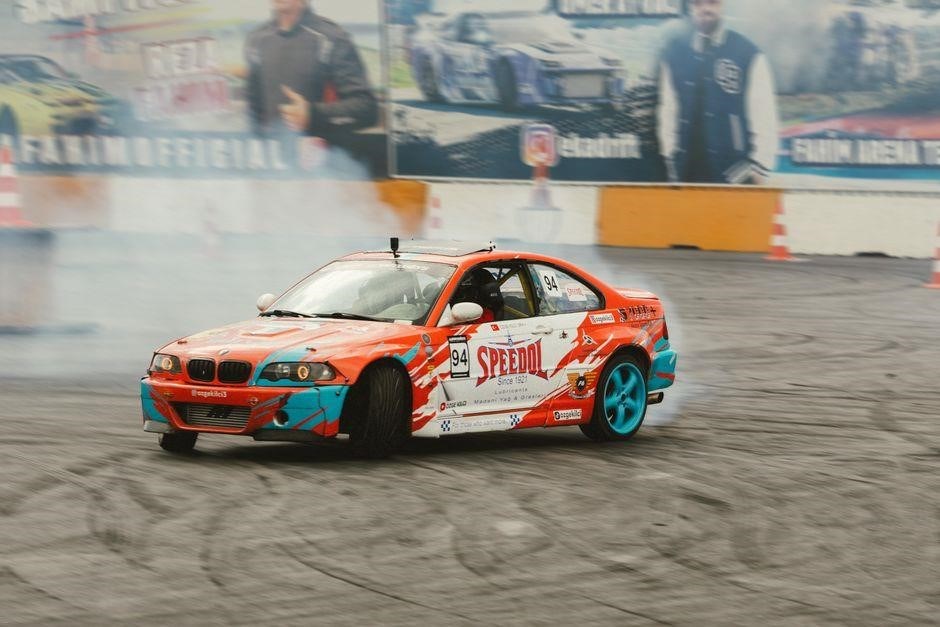
Race cars use launch control for optimal start traction. Formula 1 employs automated launch systems on clutchless gearboxes, while pit‑lane speed limiters are set electronically. Automatics provide quicker starts. They enable gear changes during acceleration.fast
Automatic Launch Systems in Formula 1
Formula 1 launch control is a fully electronic system that synchronises clutch release, throttle, and gear selection to maximise traction at the start. The driver selects a gear, the system holds the clutch, and the throttle is locked until release. At release, the engine revs to a preset rpm and the gearbox automatically shifts to the next gear at the optimal moment, ensuring smooth power delivery and eliminating the need for a traditional clutch pedal. The system also monitors tyre pressure and temperature to adjust launch timing.

Launch control logic is calibrated for each track’s surface and tyre compound, updated in real time by telemetry. Teams fine‑tune launch parameters such as target rpm, clutch release timing, and gear‑shift points. A safety feature disables launch if the car’s speed exceeds a limit or if the driver’s reaction time is too short, preventing over‑revving. Launch parameters are stored in launch maps that can be updated during the weekend, and data is logged to refine launch maps.
Because launch control is fully automated, it reduces variability from human reaction times, leading to more consistent lap times and better race strategy. FIA regulations allow launch control only during the start; once the race begins, the system is disabled to maintain fairness. Drivers can manually override the system, but this is rarely done. Telemetry feedback lets teams adapt launch settings between laps, optimising each start for current tyre temperatures and track conditions. The ability to fine‑tune launch settings gives teams a competitive edge in gaining early advantage. Overall, automatic launch systems have transformed the start phase, making it more precise and less dependent on driver skill.

Automatic Pit Lane Speed Limiters
The pit‑lane speed limiter is a safety feature that automatically reduces a Formula 1 car’s maximum speed to a regulated limit, usually 80 km/h, once the vehicle enters the pit‑lane zone. Sensors along the pit‑lane track detect the car’s position, and the ECU instantly engages the limiter, which throttles engine output and limits throttle response to enforce the speed cap. The limiter is fully automatic; drivers cannot override it, which guarantees that all teams comply with the FIA’s safety regulations and prevents any accidental overspeeding during pit stops. When the car exits the pit‑lane, the limiter disengages automatically, restoring full throttle and allowing the driver to accelerate to racing speed without delay. Teams program the limiter’s parameters during the race weekend, adjusting the speed threshold and response timing to match track layout, tyre wear, and safety requirements. Telemetry data from the limiter is logged and displayed on the driver’s dashboard, providing real‑time feedback that helps the driver anticipate the speed change and plan the next manoeuvre. Because the limiter operates automatically, it eliminates human error, ensures consistent compliance across all teams, and upholds the FIA’s commitment to safety in the high‑risk pit‑lane environment. During practice sessions, teams use the limiter’s data to fine‑tune launch settings, ensuring that the car’s acceleration profile remains optimal for the specific track conditions, which can significantly influence overall lap times and race strategy. These systems showcase Formula 1’s commitment to precision and safety in high‑speed racing!!
Choosing Between Manual and Automatic: Pros and Cons
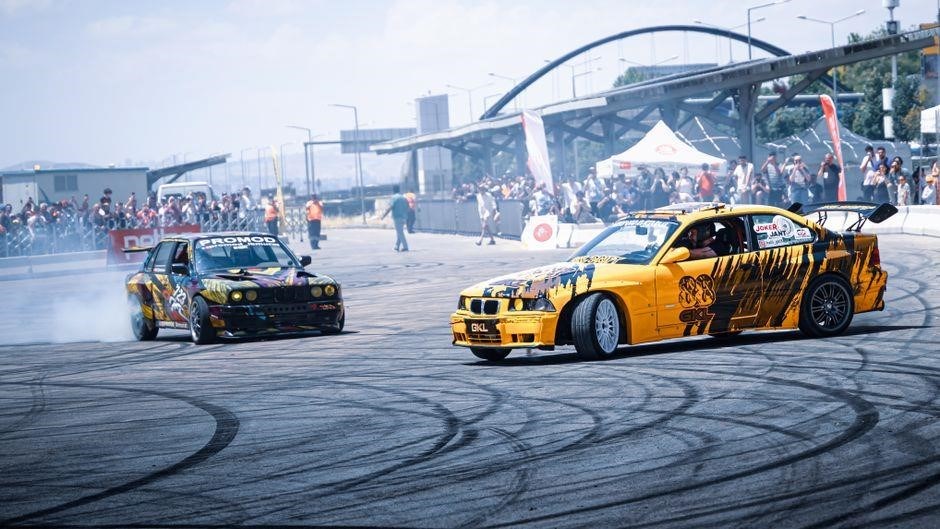
In racing, the choice between a manual gearbox and an automatic (or semi‑automatic) unit hinges on power delivery, driver control, and regulatory constraints. Manual gearboxes, especially clutchless variants, offer a direct mechanical link that can reduce power loss and allow precise gear selection, which is valuable for drivers who prefer tactile feedback and fine‑tuned launch control. However, they demand rapid, precise shift timing and can be more susceptible to driver error during high‑speed pit stops or in wet conditions. Automatic transmissions, often tiptronic or paddle‑shifted, provide consistent shift quality, rapid gear changes, and reduced driver workload, enabling teams to focus on strategy rather than clutch management. Their main drawback is a slightly higher parasitic loss due to the torque converter or complex actuation system, and they can be more expensive to develop and maintain. Regulatory bodies sometimes mandate a specific transmission type for safety or parity reasons, further influencing the decision. Ultimately, teams weigh the trade‑offs between mechanical simplicity, driver preference, and the performance envelope required for their specific racing series. Teams also consider the impact of gearbox weight and packaging on chassis balance, as well as the reliability of electronic controls in extreme heat and vibration, which can dictate the choice between a lighter manual unit and a robust automatic system. This balance is critical race day performance.



0 Comments