Fake Positive COVID-19 Results: A Comprehensive Overview (as of 12/04/2025)
Recent reports (12/04/2025) detail concerning inaccuracies in COVID-19 testing, including false positives from BD rapid tests, manipulated results with fruit juice, and prolonged positive tests despite recovery.
The accuracy of COVID-19 testing has been increasingly scrutinized, with a growing number of reports highlighting the occurrence of false positive results. These inaccuracies pose significant challenges to public health efforts, impacting individual lives and straining resources. Investigations into Becton Dickinson (BD) rapid tests reveal potential flaws leading to incorrect positive diagnoses in nursing homes. Furthermore, instances of deliberate manipulation, like using fruit juice to alter test outcomes, demonstrate vulnerabilities.
Becton Dickinson (BD) Rapid Test Concerns
Becton Dickinson (BD) is currently investigating reports of false positive results stemming from its rapid coronavirus testing equipment, particularly within U.S. nursing homes. This investigation, initiated on September 15, 2025, follows concerns raised about the reliability of these tests in accurately identifying COVID-19 infections. The potential for inaccurate diagnoses raises questions about patient care and infection control protocols within these facilities.
Investigation into Nursing Home Reports
The BD investigation centers on reports originating from numerous U.S. nursing homes, where the rapid tests allegedly produced a significant number of false positive COVID-19 results. This prompted immediate scrutiny of the testing procedures and the potential impact on resident well-being. Authorities are working to determine the scope of the issue and identify the root cause of these inaccurate readings, prioritizing resident safety.
False Positives Reported by State Departments of Health
State Departments of Health are actively investigating instances of inaccurate COVID-19 test results, with one state reporting ninety individuals initially testing positive who were later confirmed to be virus-free. This discovery highlighted a flaw within the state’s public health laboratory, raising concerns about the reliability of testing protocols and the potential for widespread misdiagnosis impacting public health measures.
Specific Case: Ninety Individuals with Incorrect Results
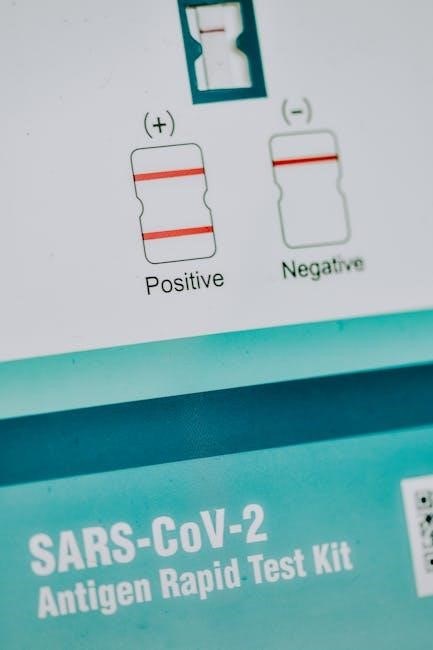
A concerning case emerged where ninety individuals received initially positive COVID-19 results that were subsequently proven incorrect. The State Department of Public Health identified a laboratory flaw responsible for these false positives. This incident underscores the critical need for rigorous quality control measures and confirmatory testing to prevent erroneous diagnoses and minimize disruptions to individuals’ lives and public health initiatives.
The Role of External Scientists in Accuracy Assessments
The quest for accurate COVID-19 testing has drawn expertise from diverse scientific fields. Notably, wildlife biologists, traditionally focused on different areas, are now scrutinizing test accuracy. This interdisciplinary approach highlights the importance of broad scientific input in evaluating diagnostic tools and identifying potential sources of error, contributing to a more comprehensive understanding of testing limitations.

Wildlife Biologists and COVID-19 Testing
Unexpectedly, wildlife biologists are contributing to the evaluation of COVID-19 test accuracy. Their analytical skills, honed through studying complex biological systems, are being applied to assess potential flaws in testing methodologies. This involvement underscores the need for diverse perspectives when investigating issues like false positives, offering unique insights beyond traditional medical expertise.
Deliberate Manipulation of Test Results
Disturbingly, instances of intentional test result manipulation have surfaced, raising serious concerns about data integrity. Reports indicate pupils are utilizing substances like fruit juice – orange juice and fizzy drinks – to deliberately generate false positive COVID-19 results. This alarming behavior, occurring within school settings, highlights a deliberate attempt to exploit testing vulnerabilities and underscores the need for heightened vigilance.
Using Fruit Juice to Generate False Positives
A concerning trend involves the deliberate use of common beverages to induce false positive COVID-19 test results. Specifically, droplets of orange juice or carbonated drinks like Coca-Cola, when applied to testing materials, can trigger inaccurate positive readings. Schools have issued warnings to parents, emphasizing the need for awareness and preventative measures against this intentional manipulation of diagnostic tests.
Persistent Positive Results & Lingering Effects
Individuals are reporting prolonged positive COVID-19 test results even after clinical recovery, creating significant anxiety and disruption. One case, known as “James” (pseudonym used due to stigma), initially expected resolution within months, but continued to test positive into mid-2023. These lingering positive results highlight the complexities and potential inaccuracies within current testing methodologies and their impact on patients.

Cases of Prolonged Positive Tests Despite Recovery
Reports indicate individuals, like “James,” continue to test positive for extended periods post-recovery, despite being clinically well and no longer infectious. This phenomenon raises questions about the sensitivity and specificity of PCR tests, potentially detecting residual viral fragments long after viral clearance. Such cases fuel anxieties and necessitate further investigation into test limitations.
Social Media Circulation of Misleading Statistics
A highly alarming statistic—claiming 91% of UK coronavirus tests are false positives—has rapidly spread across social media platforms. This claim, promoted by a small group of journalists, lacks robust scientific backing and demonstrates the potential for misinformation to proliferate during public health crises. Critical evaluation of sources is crucial when encountering such data.
The “91% False Positive” Claim in the UK
The widely circulated claim of a 91% false positive rate for UK coronavirus tests originated from a limited and vocal group of journalists. This figure lacks validation from official health organizations like UK Health Security Agency. It’s crucial to understand that such statistics, without peer review and comprehensive data, can fuel public distrust and hinder effective pandemic response efforts.
Large-Scale False Negative Results
A significant issue emerged in the South West of the UK, with estimates suggesting up to 43,000 individuals may have received incorrect negative PCR test results. This prompted the suspension of a private Wolverhampton lab due to inaccuracies. While focusing on false positives is vital, acknowledging substantial false negatives is equally crucial for understanding the full scope of testing challenges.
Up to 43,000 False Negatives in the South West (UK)

The UK Health Security Agency investigated a private Covid PCR testing lab in Wolverhampton, leading to its suspension. Reports indicated potentially 43,000 individuals, primarily in the South West region, received inaccurate negative results. This highlights systemic flaws beyond false positives, impacting public health efforts and individual safety through delayed diagnoses and continued spread.
Potential for Sample Cross-Contamination
Limited information exists regarding sample cross-contamination incidents, though rare cases have been noted. References to “Thimphu” and “Tigers Nest” suggest potential issues within specific testing locations, but details remain scarce. This possibility underscores the critical need for stringent laboratory protocols and quality control measures to prevent inaccurate results and maintain testing integrity.
Rare Cases and Limited Information Available
Documented instances of sample cross-contamination appear infrequent, yet comprehensive data remains elusive. The referenced “locked content” surrounding “Thimphu” and “Tshokey” suggests potential unreported events. This lack of transparency hinders a full assessment of the risk. Further investigation and standardized reporting are crucial to understand the true scope of this potential source of inaccurate COVID-19 test results.
FDA Warnings Regarding Test Kit Accuracy

The U.S. Food and Drug Administration issued warnings concerning the TaqPath COVID-19 Diagnostic Kit, identifying two distinct issues potentially leading to inaccurate results. These concerns highlight the critical need for rigorous quality control in test kit manufacturing and deployment. Health officials emphasized the importance of verifying results and considering alternative testing methods when discrepancies arise.
Issues with the TaqPath COVID-19 Diagnostic Kit
Specifically, the FDA identified issues with the TaqPath kit’s potential to return inaccurate results, prompting heightened scrutiny. These problems underscore the complexities of molecular diagnostics and the possibility of false positives. Health officials urged laboratories utilizing the kit to carefully review protocols and validate findings, ensuring patient safety and reliable data reporting during ongoing public health efforts.
Availability of Free COVID Tests
The U.S. government continues distributing free COVID-19 tests to households via mail, aiming to increase accessibility for routine screening. While convenient, awareness of potential inaccuracies—including false positives—remains crucial. Individuals utilizing these tests should understand limitations and consider confirmatory testing, particularly if results influence important decisions regarding isolation or medical care.
Government Distribution Programs
Current initiatives involve repeated rounds of free at-home COVID-19 tests mailed directly to U.S. households upon request. These programs aim to facilitate regular self-testing, but users must be cognizant of potential false positive rates reported with certain test types. Confirmatory PCR testing is recommended, especially when positive results necessitate isolation or impact healthcare access.
Understanding PCR Test Limitations
While highly sensitive, PCR tests aren’t foolproof and can yield false positives, particularly at high cycle threshold (Ct) values. Amplification of minimal viral RNA, even from non-infectious remnants, can lead to a positive result. Understanding Ct values is crucial for interpreting results; higher values suggest lower viral loads and increased false positive risk, necessitating confirmatory testing.
Potential for False Positives in PCR Testing
PCR tests, despite their accuracy, aren’t immune to false positives. Amplification processes can sometimes detect non-viable viral fragments, leading to incorrect results. High Ct values—indicating minimal viral load—are strongly correlated with increased false positive rates. Therefore, relying solely on PCR results, especially with high Ct values, can be misleading and warrants further investigation.
Factors Contributing to False Positive Results
Several elements can contribute to inaccurate positive COVID-19 tests. High Ct values in PCR tests, indicating low viral load, are a significant factor. Cross-reactivity with other viruses, like those causing common colds, can also trigger false positives. Furthermore, deliberate manipulation—as seen with fruit juice affecting rapid tests—and potential sample cross-contamination further complicate accurate diagnosis;

High Ct Values and Their Interpretation
PCR tests utilize Ct values to quantify viral load; higher values suggest less virus. A high Ct value, often exceeding 35, indicates minimal viral presence, raising concerns about false positives. While initially considered indicative of infection, current understanding suggests these results may not correlate with infectivity, leading to misdiagnosis and unnecessary isolation protocols.
Cross-Reactivity with Other Viruses
COVID-19 tests can sometimes yield positive results due to cross-reactivity with other viruses; Non-COVID viruses, sharing genetic similarities with SARS-CoV-2, may trigger false positives. This phenomenon complicates accurate diagnosis, particularly during periods of co-circulation of multiple respiratory pathogens. Understanding this potential for interference is crucial for interpreting test results and avoiding erroneous conclusions.

Potential for Non-COVID Viruses to Trigger Positive Results
Several non-COVID viruses possess genetic sequences resembling SARS-CoV-2, potentially leading to false positive test results. This cross-reactivity occurs when test assays mistakenly identify viral genetic material from these other viruses as COVID-19. Common culprits include influenza viruses and other respiratory pathogens, complicating accurate diagnosis and necessitating confirmatory testing for reliable identification.
Impact of False Positives on Individuals
False positive COVID-19 results inflict significant personal consequences, including unwarranted stigma and social isolation. Individuals may experience psychological distress due to unnecessary quarantine and fear of transmission. Concerns about employment, travel restrictions, and healthcare access further exacerbate these impacts, highlighting the crucial need for accurate testing and support systems.
Stigma, Isolation, and Psychological Effects
A false positive diagnosis carries a heavy emotional burden, fostering feelings of shame and anxiety. Individuals face social ostracism, fearing judgment and potential transmission, leading to self-imposed isolation. Prolonged positive tests, even after recovery, amplify these effects, creating lasting psychological trauma and impacting mental wellbeing. James’ experience exemplifies this fear of stigma.
Impact of False Positives on Public Health Measures
Widespread false positives severely undermine public health efforts, distorting epidemiological data and misdirecting resources. Inaccurate results disrupt contact tracing initiatives, leading to unnecessary quarantines and economic strain. The flawed testing identified in the UK and the US nursing homes demonstrate how false positives erode public trust and hinder effective pandemic control strategies.
Disruptions to Contact Tracing and Quarantine Protocols
False positive results directly impede effective contact tracing, diverting investigators to pursue nonexistent infection chains. Unnecessary quarantines, triggered by inaccurate tests, cause significant disruptions to daily life and economic activity. The ninety incorrect positive cases reported highlight how flawed data can overwhelm public health systems, wasting valuable time and resources on ineffective measures.
The Importance of Confirmatory Testing
Given the documented potential for false positives, relying on a single COVID-19 test is insufficient. Utilizing multiple testing methods, such as PCR confirmation following a rapid antigen test, is crucial for accuracy. The FDA warnings regarding the TaqPath kit underscore this need. Confirmatory testing minimizes disruptions caused by inaccurate results, safeguarding individual liberties and public health initiatives.

Using Multiple Testing Methods for Accuracy
To mitigate false positive risks, a layered testing approach is recommended. Combining rapid antigen tests with the higher sensitivity of PCR testing provides a more reliable diagnosis. Reports of inaccuracies with BD rapid tests and the TaqPath kit highlight this necessity. Confirming initial positive results with PCR minimizes incorrect diagnoses, reducing unnecessary isolation and contact tracing disruptions.
Regulatory Oversight and Test Validation
The FDA plays a crucial role in ensuring COVID-19 test reliability, yet issues persist. Warnings regarding the TaqPath kit demonstrate ongoing challenges in test accuracy. Thorough validation processes are essential before widespread deployment, alongside continuous monitoring for false positive rates. Increased scrutiny of manufacturers like Becton Dickinson is vital, given reported flaws and the impact on public health measures.
FDA’s Role in Ensuring Test Reliability
FDA Warnings Regarding Test Kit Accuracy
The FDA issued warnings concerning the TaqPath COVID-19 Diagnostic Kit, citing issues potentially leading to inaccurate results. This highlights the agency’s responsibility to monitor test performance and swiftly address identified flaws. Robust pre-market review and post-market surveillance are critical for maintaining test reliability. The FDA’s actions aim to protect public health by ensuring accurate diagnoses and appropriate responses.
Future Directions in COVID-19 Testing
Development focuses on more accurate and reliable tests to minimize false positives and negatives. Improved diagnostic tools are needed to address lingering concerns about test sensitivity and specificity. Research explores novel technologies and methodologies for faster, more precise detection. Enhanced regulatory oversight and validation processes will be crucial for ensuring public trust in future testing strategies.
Development of More Accurate and Reliable Tests
Efforts prioritize minimizing inaccuracies highlighted by recent false positive reports. Innovations include refining PCR methodologies to reduce Ct value misinterpretations and exploring alternative testing platforms less prone to cross-reactivity. Scientists are investigating improved sample collection techniques and quality control measures within labs. The goal is to deliver consistently dependable results, bolstering public health responses.
Resources for Further Information
For comprehensive updates on COVID-19 testing accuracy, consult the U.S. Food and Drug Administration (FDA) website for warnings and recalls. The Centers for Disease Control and Prevention (CDC) provides detailed guidance on testing protocols; State Department of Public Health websites offer localized data and reports regarding false positive incidents. Access Reuters reporting (Reuters) for current news.
Links to Official Health Organizations and Reports
Access critical information from the FDA’s website regarding TaqPath kit issues and test accuracy. Explore the CDC’s COVID-19 resources for testing guidelines. Review reports from the Reuters news agency covering BD rapid test investigations and UK statistic concerns. State health department websites provide localized data on false positive rates and lab suspensions.



0 Comments